Teen Patti Probability Explained: Improve Your Winning Chances Smartly
April 11, 2026
Teen Patti Muflis Rules Explained: How to Play with Winning Tips
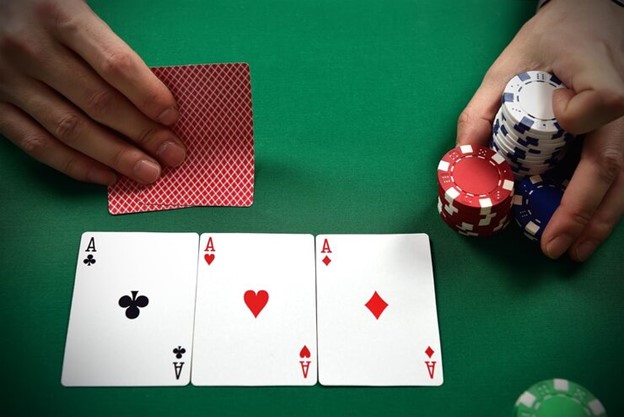
Most people spend their entire lives at the card table praying for a pair of Aces or a royal sequence to fall into their hands. They treat the deck like a hierarchy where the highest cards are royalty and everything else is just debris to be discarded. But there is a secret corner of the card world where the rules are completely upside down, turning your worst possible hand into the ultimate winning ticket. This is the fascinating world of the Teen Patti Muflis rules, where losing is actually winning and the junk cards you usually toss aside are the ones that command the table.
Understanding how to play this way changes the entire dynamic of your game nights. It forces you to stop relying on luck and start relying on a completely different kind of strategic awareness. If you are tired of playing the same old rounds and want to see how the bottom of the deck can become your best friend, this blog will give you the exact edge you need to dominate the next time you sit down to play.
How the Game the Teen Patti Works: The Reverse Logic
At its core, the Teen Patti game is a test of nerves and card combinations. Usually, you want the highest-ranking cards. A Trail (three of a kind) of Aces is the holy grail. Muflis, however, is the “Lowball” version. Everything you know about hand rankings? Forget it.
In Muflis, the lowest hand wins. If you are dealt a 2-3-5, usually considered a weak hand, you are suddenly holding the best possible combination. It is a brilliant way to shake up a stale game night.
Key Rules for Beginners
- The Ranking Reversal: The fundamental rule is that the hierarchy is flipped. The highest hand in regular Teen Patti (the Trail) becomes the lowest in Muflis, and the lowest in regular play becomes the strongest.
- The Showdown: Just like standard play, the game ends when players fold until two remain or someone calls for a show. If you have the “weakest” cards, you take the pot.
Strategies to Master Muflis
Winning at this variation takes more than just getting dealt a “bad” hand. You have to convince your opponents that you are playing the standard game. That is where the fun begins.
The Art of the “Reverse Bluff”
Most players are conditioned to bet aggressively only when they have high cards. In Muflis, you should play tight if you actually have a low hand. If you have a decent hand but not a winning one, throwing in a few chips might scare off someone who thinks you have a “high” hand and are about to win.
Unpredictability is your best friend here. If you act like you are worried about your cards, other players might try to bully you into folding. That is exactly when you hold your ground.
Essential Tips for Success
- Watch the Pattern: Observe how your opponents bet. If they are folding early, they might be holding high cards that they think are useless in a Muflis round.
- Bankroll Management: Even when the game rules are flipped, the importance of your chips remains the same. Do not go all-in unless you are sure your low hand is the lowest on the table.

Why Muflis Keeps Things Interesting
Card games can get repetitive. You sit there, you wait for a good hand, you bet, you lose, you repeat. Muflis forces you to engage with the cards you usually throw away. It forces you to think about probability differently. When you realize that a 2-4-6 is a powerhouse, you start looking at the deck with fresh eyes.
There is also a social element to this. Nothing beats the look on a friend’s face when they realize they folded the winning hand because they were too busy chasing a sequence that meant nothing in the Muflis variant. It turns the strategy on its head and keeps everyone on their toes.
Tracking the Psychological Shift
Playing Muflis requires a major brain adjustment. Many players struggle because they have spent years training their minds to hunt for Aces and Kings. When those cards appear, the instinct is to bet big, but doing that in this game is a fast way to lose your entire stack. You have to actively fight those gut reactions. Try focusing on the color and suit distribution rather than the face value of the cards. It sounds small, but shifting your focus to the “low” side of the deck creates a mental shortcut that helps you stay sharp while others are busy making predictable, high-card mistakes.
Managing the Pot Under Pressure
Pot control is where many intermediate players stumble. When you hold a strong low hand, it is tempting to raise the stakes early to build the pot. However, this often scares away the very people who might keep betting into you with their high and ultimately worthless hands. Sometimes, the smartest move is to check or call, letting your opponents do the heavy lifting by inflating the pot for you. Let them believe they have a chance until the final moment. This patience rewards you with a much larger payout when you finally flip those low cards over to claim the win.
The Reality of Table Etiquette
Even in a game built on deception, keeping the vibe light is crucial. Muflis can be frustrating for people who are used to the standard format, and tensions can run high when someone loses a big pot to a “bad” hand. Always remember that the game is meant to be a test of wits, not a source of genuine conflict. Keep your reactions measured, whether you win or lose, and never be afraid to explain the hand rankings to a newcomer. Maintaining a clean and fair environment ensures everyone stays ready to jump into the next round, regardless of the ruleset.
Conclusion

Mastering this game is about unlearning the traditional rankings. It is about patience, observation, and knowing exactly when to stay in the game. Whether you are playing for fun with friends or testing your skills, remember that the lowest hand often hides the biggest rewards. The next time the cards feel like they are against you, smile you might just be holding a winner. For more tips on mastering every variation, stay tuned to the latest guides from Teen Patti.
Frequently Asked Questions
What is the best hand in Teen Patti Muflis?
The best hand is the lowest possible combination, which is a 2-3-5 of different suits. In this variant, the ranking is exactly the opposite of the standard game, making the weakest cards the strongest.
Does the betting process change in Muflis?
No, the betting process remains the same as a standard game. You can still play “blind” or “seen,” and you still have the option to fold, call, or raise depending on the strength of your hand.
Can I use a joker in this variation?
While some house rules allow for wildcards, it is best to clarify with your group before starting. Most standard Muflis games do not use jokers to keep the focus on the hand rankings.
What happens if there is a tie?
If two players have the same “lowest” hand, the tie-breaking rules usually follow the standard card value comparison, though the player who initiates the show may face the same penalties or rules as in a normal game.